Kenya, 2007–2008: online volunteers and the post-election crisis
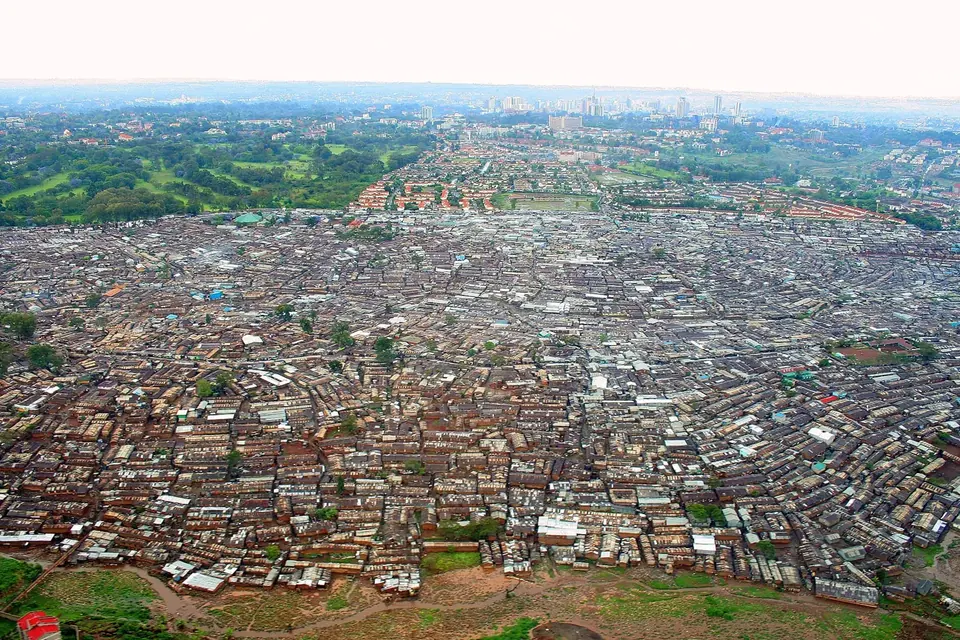
Kenya's general election of 27 December 2007 was followed by two months of killings, burning and mass displacement. The crisis is often remembered for two things at once: the scale of the violence, and the speed with which Kenyans and volunteers abroad used phones, blogs and email lists to report, shelter and mediate. This article sets out the documented record and looks at what those volunteer efforts achieved.
The election and the announcement
The presidential race pitted the incumbent, Mwai Kibaki of the Party of National Unity, against Raila Odinga of the Orange Democratic Movement. Early results put Odinga ahead; as the count slowed, the margin narrowed and then reversed. On 30 December the Electoral Commission of Kenya declared Kibaki the winner, and he was sworn in the same evening. Domestic and international observers, including the European Union observation mission, reported that the tallying process lacked credibility. The independent review commission set up afterwards under the South African judge Johann Kriegler concluded that the conduct of the election was so compromised that it was impossible to say with confidence who had won.
Two months of violence
Protests began within hours of the announcement, and they quickly turned into attacks along political and ethnic lines. Among the episodes that drew the most attention:
- Kiambaa, near Eldoret, 1 January 2008: a church sheltering displaced families was set on fire, and dozens of people died.
- Kisumu and western Kenya: shops and businesses were looted and burned, and the police were accused of using live ammunition against protesters.
- Nakuru and Naivasha, late January 2008: reprisal attacks targeted people seen as supporters of the other side, prompting a new wave of displacement.
- Nairobi's informal settlements: clashes in Kibera, Mathare and elsewhere divided neighbourhoods that had been mixed for decades.
The Commission of Inquiry into Post-Election Violence, chaired by Justice Philip Waki, counted 1,133 deaths and reported that hundreds of thousands of people had been forced from their homes. Many lived for months in camps run by the Kenya Red Cross and other agencies; others moved in with relatives in their home areas, which made them harder to count and to help.
Mediation and the National Accord
The African Union asked a Panel of Eminent African Personalities, led by the former UN secretary-general Kofi Annan with Graça Machel and Benjamin Mkapa, to mediate. After weeks of talks the two leaders signed an agreement on 28 February 2008, given legal force by the National Accord and Reconciliation Act. It created the post of prime minister for Odinga in a coalition government and set out an agenda of reforms: an inquiry into the violence, a review of the electoral system, land reform and, eventually, a new constitution, approved by referendum in 2010.
The Waki commission handed a sealed list of suspects to Annan, who passed it to the International Criminal Court. The court opened cases against six Kenyans in 2010 and 2011. None ended in a conviction: charges were dropped or withdrawn, and the last trial was terminated in 2016, with judges pointing to witness interference and political pressure.
What citizens and online volunteers did
A government ban on live broadcasting in the first days of January left many people without reliable news. Text messages, phone calls and blogs filled part of the gap, and they were used both to spread fear and to counter it. Several kinds of volunteer effort emerged.
Mapping reports
The best-known tool born in the crisis is Ushahidi, Swahili for "testimony". Built in a few days in January 2008 by a small group of Kenyan bloggers and developers, it let people send reports of violence or of peace efforts by SMS or the web and placed them on a map. The software was later released as open source and has since been used after earthquakes, floods and other elections around the world.
Small networks of peacemakers
Alongside these well-documented projects, many smaller groups organised through email lists and wikis. Some linked people in the diaspora with friends and relatives in affected towns, raised small sums for food, transport or school fees, and passed on accounts that did not reach the mainstream press. One such effort, which its organiser, the Lithuanian independent scholar Andrius Kulikauskas, has described as a "pyramid of peace" linking peacemakers on the ground with volunteers online, was run through a public wiki; the figures for its size come from his own published biography rather than from independent sources (see our profile note).
Churches, community groups and local leaders
Most of the work of calming the situation, however, was done face to face: by elders, clergy, women's groups, youth associations and individual neighbours who hid people at risk. Reports by Human Rights Watch and the Waki commission describe both the role of local leaders in organising violence and the role of others in stopping it.
What online help could and could not do
The experience left several lessons that have been discussed ever since.
- Information is not protection. Maps and reports helped journalists and aid agencies see patterns, but they could not stop an attack in progress. Volunteers had to be careful not to promise rescue they could not deliver.
- Verification matters. Rumours spread by text message fuelled some attacks. Any group relaying reports needs a way to check them and to mark what is unconfirmed.
- Money moves fast and leaves questions. Small transfers can be lifesaving, but without clear records they invite suspicion. Mobile money, which spread rapidly in Kenya after the launch of M-Pesa in 2007, made transfers easier and accounts more traceable.
- Local voices first. Outsiders added most value when they amplified people on the ground rather than speaking for them.
- Safety of contributors. Publishing names, photos or locations of people in a conflict can expose them. Many later crisis-mapping guides recommend anonymising reports by default.
After 2008
The 2010 constitution devolved power to 47 counties and created new institutions, including an independent electoral commission. Later elections were tense and some were disputed; in 2017 the Supreme Court annulled the presidential result and ordered a rerun. But nothing on the scale of 2007–2008 has recurred, and the period remains a reference point in Kenya for discussions of electoral reform, land, policing and accountability.
Sources
- Commission of Inquiry into Post-Election Violence (Waki Commission), Report, Nairobi, October 2008.
- Independent Review Commission on the General Elections (Kriegler Commission), Report, September 2008.
- Human Rights Watch, Ballots to Bullets: Organized Political Violence and Kenya's Crisis of Governance, March 2008.
- European Union Election Observation Mission to Kenya, Final Report: General Elections 27 December 2007, 2008.
- Kenya National Dialogue and Reconciliation, Agreement on the Principles of Partnership of the Coalition Government, 28 February 2008.
- International Criminal Court, case records for The Prosecutor v. William Samoei Ruto and Joshua Arap Sang and The Prosecutor v. Uhuru Muigai Kenyatta.
- Ushahidi, project history: ushahidi.com/about.
- Andrius Kulikauskas, biography published on math4wisdom.com (self-published account of the volunteer effort).